
Systems insurance
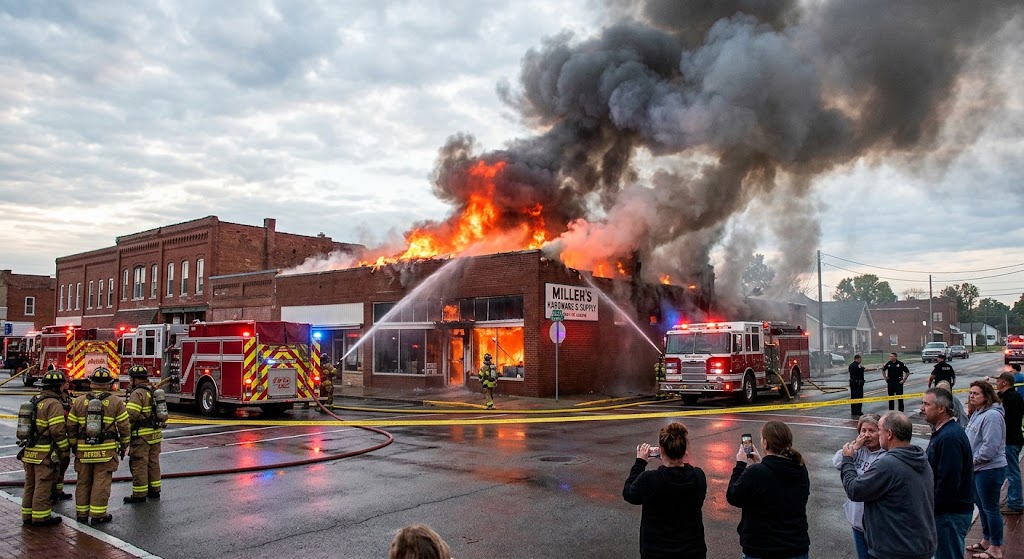
You can’t buy insurance
while the building’s on fire. 🔥
Every year you pay thousands to insure the van, the premises, the liability. Smart. But the thing your business actually runs on, how the work gets done, isn’t on any policy you own. And that’s the asset most likely to walk out the door.
No credit card · Cancel anytime
Trusted by 100,000+ businesses worldwide
Run your own audit. What’s actually covered?
You’re a responsible owner, so you’re insured. Fire, flood, theft, liability, maybe key person life cover. If the building burns down, you’re covered. If a customer sues, you’re covered.
Now ask the harder question: what happens if your best operator resigns on Friday?
Not covered. Fifteen years of how-we-actually-do-it walks out the door and no policy on earth writes you a cheque for it. The knowledge is gone, the rework is yours, the scramble is yours. Your premium never touched the risk that was most likely to actually happen.
That’s the gap this page is about. You already believe in paying upfront to avoid tragedy later. That instinct is right. It’s just pointed at the wrong list of disasters.
Three things you’re not covered for.
The person
A resignation, an illness, a family emergency. Whatever the reason, when they go, everything that lived only in their head goes with them. The full argument →
The tool
A price rise, a feature retired, an account locked, an AI model swapped out from under you. Rented tools change on their schedule, not yours. Why that matters →
The automation nobody documented
The workflow someone clever built and left behind. It runs perfectly until the day it doesn’t, and nobody left in the building knows how it worked.
None of these are covered by the policies you’re paying for. All of them are covered by the same thing: the way you work, written down, where the business can hold it.
Systems work exactly the way insurance works.

Think about why insurance works at all. You pay upfront, before anything goes wrong. You can’t have the accident and then ring up for a policy. There’s a lag: you might pay for years before you ever claim. And you pay anyway, because if you don’t and tragedy strikes, the cost could wipe you out.
Systems share the same DNA. You document before you need it, because you can’t capture what someone knew after they’ve left. There’s a lag: the payoff comes later, when the resignation lands, or the new hire starts and there’s a process to hand them. And skipping it carries the same shape of cost, except this one isn’t rare. People leave all the time.
“Systems are business insurance. You pay the money up front to avoid tragedy and disaster later.”
David Jenyns, founder, systemHUB
One difference, and it’s the whole page: you can’t buy cover while the building’s on fire, and you can’t document a person who’s already gone. The only time this works is before.
Same instinct. One of them pays you every day.
| Insurance | Systems | |
|---|---|---|
| Pay structure | Premium, every year, forever | Investment that compounds |
| When you benefit | Only when something goes wrong | Every single day |
| Prevents problems | No, covers damage after | Stops them at the source |
| Key person leaves | Doesn’t help | Knowledge already captured |
| New hire starts | Doesn’t help | Productive in weeks, not months |
| Frees the owner | No | Yes |
| Business value | No change | Buyers pay a premium |
| Fire, flood, lawsuit | Covered | Not covered |
Insurance does one thing systems can’t, and you should keep it. Systems do everything else on the list, and almost nobody has them. The best case for your premium is that it was wasted money. The best case for your systems is that they pay you back every day, and then again on exit.
And when the big one does hit, the kind of disaster insurance was actually designed for, it’s the systemised business that recovers. More margin, less waste, a team that knows what to do under pressure because it’s written down. The payout gets you a rebuilt building. It doesn’t get you back a business that knows how to run.
Run as fast as you like. Pack the parachute first.
This is not a warning against moving fast, automating hard or going all in on AI. Go. Speed is the point. But nobody takes off without the parachute, and right now most businesses are flying at a thousand miles an hour without one.
The parachute is the boring copy of how everything works: readable by a human tomorrow and by whatever AI you’re running next year. The environment will change. A tool will vanish, a model will be retired, a key person will leave, a cost will triple. Break glass, open the systems, keep operating.
You don’t use the first aid kit every day either. You’d never run a workplace without one.
In a world this uncertain, that’s what certainty looks like: not predicting what happens next, just knowing that whichever way it goes, the way you work is yours, on paper, ready.
Eight years of answers, four weeks to save them.
Buying insurance during the fire
One business in our community had a bookkeeper of eight years the team called The Oracle. Every answer lived with her. Then she handed in her notice, and the business got four weeks to extract everything she knew while she wound down.
They made it, barely, working nights. And they’d be the first to tell you: that was the fire, and they were buying insurance during it.
The version nobody talks about
The covered version is quieter, which is exactly why you never hear it. The Humane Society of the Pikes Peak Region, running on documented systems in systemHUB, puts it plainly: key person departures no longer create operational crises.
Someone leaves, the process stays, the next person picks it up. No story. No drama. That’s what the premium buys.
The quiet version is available to any business willing to pay the premium before the event instead of during it.
Your first premium payment is one process.
No broker, no renewal notice. The premium is time, and you pay it in small instalments:
Cover the money path first
Document how a customer goes from first contact to paid. That’s the cover that matters most, usually 10 to 15 processes.
The person doing the work records it
Not you. A quick screen recording and AI does the drafting. The premium is measured in minutes now, not weekends.
Put it where the business can hold it
One place, owned, reviewable, readable by your team and your AI. Not scattered across drives and heads.
What owners ask about systems as insurance.
It’s the same logic as your existing insurance, applied consistently. If paying upfront to protect against fire is prudent, paying upfront to protect the knowledge your business runs on is more prudent, because people leaving is more common than fires. And unlike fear marketing, the remedy pays you even if nothing ever goes wrong.
Backups restore files. They don’t restore judgment: how the quote gets priced, why that supplier gets called first, what “done” looks like. If your backups don’t contain how the work gets done, you’ve insured the filing cabinet and not the business.
Then you’ve still lowered errors, sped up hiring and freed yourself from being the answer desk, because systems pay out on ordinary days, not just disasters. That’s the difference between this premium and the ones you already pay. The best case isn’t wasted money.
Five people means each person carries a fifth of the operating knowledge. Small teams have the highest exposure per resignation and the cheapest premium, because there’s less to capture and no legacy mess to untangle.
No. Keep it. Insurance covers the one category systems can’t: fire, flood, lawsuits. This page is about the risks your policy doesn’t touch. Responsible owners carry both.
Other paths to the same destination.
Lose the person, keep the knowledge
What actually walks out the door when someone resigns, and how to keep it.
Learn more → OwnershipYour only asset
The same argument, run to worth instead of risk: what you actually own.
Learn more → VisibilityThe invisible business
The work your business does that nobody can see, name or hand over.
Learn more → AIAI lock-in
Your favourite AI has you trapped. Rent the engine, own the driver.
Learn more → Master promptThe Business Brain
The single account every AI, and every new hire, can be pointed at.
Learn more →The cheapest this cover will ever be is today.
Premiums rise with every person you hire, every tool you adopt, every year of knowledge that compounds in someone’s head. Pick the process that would hurt most if its owner resigned tomorrow and write it down. That’s your first premium, and it’s already working.
Start your free trialNo credit card. Cancel anytime.