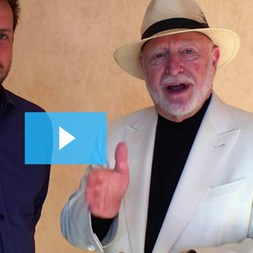
PODCAST: S4:E3



Today’s Guest, David Rendall
David Rendall holds a Doctor of Management degree in organizational leadership and is the author of The Four Factors of Effective Leadership. He speaks on the topic of leadership around the world.
Interview Takeaways:
1. Leadership Starts Inside Out
You cannot lead other people if you cannot manage yourself. Personal mastery, self-control, and self-awareness are the most important building blocks for a great leader. When people ask how to become a better leader, they are often asking how to get others to do what they want; the actual answer is to be better at getting yourself to do what you want to do.
2. The Four Factors
Effective leadership is built on four non-negotiable factors that David found to be consistent themes in his research and experience: Influence, Integrity, Inspiration, and Improvement. These factors are fundamental and evergreen.
3. Lead by Example (Influence)
Everything you do sends people a message about whether or not you can be trusted. Leaders must be willing to hold themselves accountable to the same standards they expect from their team. Your personal habits, including your health, exercise, learning, and relationships, all affect your leadership either positively or negatively.
4. The Problem with Faking It (Integrity)
Integrity is compromised when your words don’t match reality, the truth, or your feelings. When you fake, pretend, or put on a show, people’s subconscious “sensors” detect the inauthenticity, which destroys trust, even if they can’t articulate why. Therefore, you have to genuinely become a trustworthy person, rather than trying to trick people into trusting you.
5. Inspire Their Goals, Not Yours (Inspiration)
Real inspiration is not about big, exciting speeches or the organizational mission. Instead, it is about the daily modeling of a desired life. Leaders inspire people by genuinely helping them achieve their personal goals and dreams, such as buying a home or funding college, not just motivating them with the organization’s mission.
6. Invest in the Important (Improvement)
Great leaders are proactive, focusing on tasks that are “important and not urgent”. This includes scheduling time for things that are easily neglected, like planning, self-improvement, and building relationships. Leaders must see this time as an investment, not a cost or a waste of time, as neglect leads to relationship and business emergencies later on.
7. Advice for Technical Leaders
If you are technically brilliant but struggle with interpersonal skills, the advice is not to try and fix your weakness. Instead, find a person you trust to partner with (like a COO or co-CEO) who is strong in those interpersonal and relational areas. The fundamental principle is that organizations exist to make people’s strengths effective and their weaknesses irrelevant.
8. Systematize for Focus
Systematizing the tasks that must happen a certain way frees up the leader to work on their best work and add the most value. This creates the necessary space to focus on the highest-value activities, such as strategic planning and leadership development.
Thank you for listening!
Thanks for joining us for this episode. Do you have any questions or feedback you'd like to share? We'd love to hear it! Let us know in the comments section below.
If you enjoy listening to this podcast, please share it on Facebook and leave an honest review on iTunes. We'd love to know what you think.
Remember - the next system we share could be just the one you been looking for, so subscribe on iTunes so you can get the latest episodes as soon as they’re published.

About The Show
Business Processes Simplified
We interview industry experts and have them share their best small business systems and processes. This is the quickest, easiest and most efficient way to build a systems centered business.