Most small businesses do not fail because the founder lacks talent. They fail because a talented technician assumes that understanding the technical work of a business is the same as understanding how to run one. That single misunderstanding, what Michael E. Gerber calls the Entrepreneurial Myth, has shaped and derailed more businesses than any economic downturn ever has.
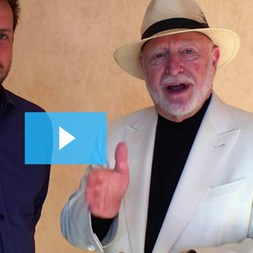
In this episode, David Jenyns sits down with Michael E. Gerber, the author of The E-Myth Revisited and the person Inc. Magazine called “The World’s #1 Small Business Guru,” to explore the E-Myth business system at its source. Michael shares his framework for building a business that works without you, introduces the concept of “New Co” versus “Old Co,” and challenges every listener to rediscover the dream that started it all. If you have ever felt trapped working in your business instead of on it, this conversation is the origin story of the solution.
PODCAST SEASON 3: EP 15


Episode Chapters
- 00:43 Introducing Michael E. Gerber
- 02:09 Your Business Is a System
- 05:08 Why 99% of Entrepreneurs Fail
- 08:52 Strategise the Work, Don’t Do It
- 11:43 Dream First, Build Second
- 20:26 Working On the Business, Not In It
- 24:51 New Co vs Old Co: Vision Over Legacy
- 28:47 “You’re Making It Too Difficult”
- 36:56 Why Every Business Needs a Dream
- 41:56 Leader, Manager, Technician
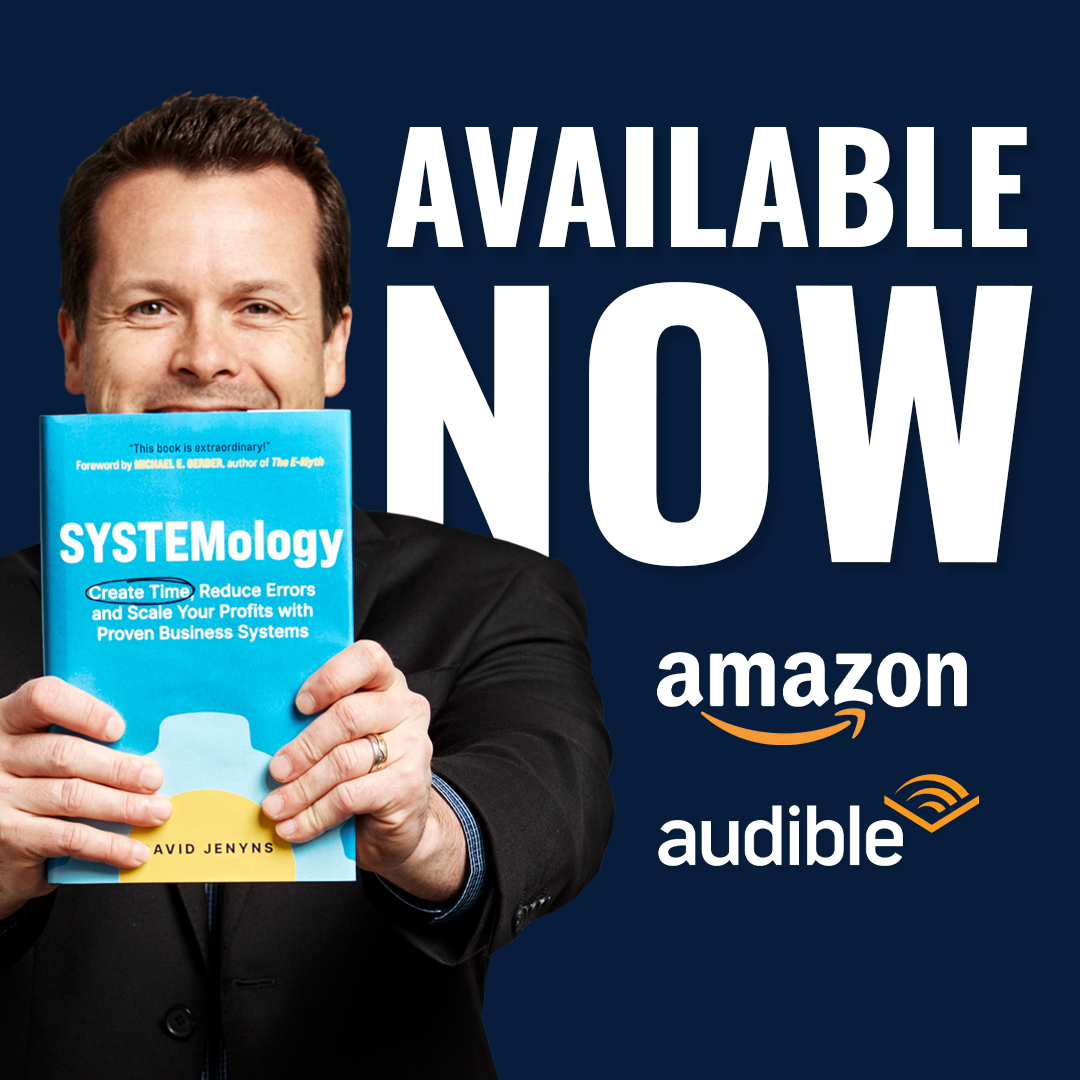
- 43:54 SYSTEMology and the Dreaming Room
👤 Today’s Guest, Michael E. Gerber
Michael E. Gerber is the author of the New York Times mega-bestseller The E-Myth Revisited: Why Most Small Businesses Don’t Work and What to Do About It, a book that has shaped the thinking of millions of entrepreneurs worldwide over more than three decades. Inc. Magazine named him “The World’s #1 Small Business Guru,” and Inc. 500 CEOs voted The E-Myth Revisited their #1 business book.
Michael is the Co-Founder and Chairman of Michael E. Gerber Companies, a group of enterprises dedicated to transforming the way small business owners grow their companies. His central teaching, that business owners must learn to work on their business rather than in it, is the foundation on which the SYSTEMology framework was built.
Website: emythbooks.com
“If your business depends on you, you don’t own a business — you have a job. And it’s the worst job in the world because you’re working for a lunatic.”
Michael E. Gerber, Author, The E-Myth Revisited
📋 The E-Myth Business System: 6 Principles From The Source
Based on the interview with Michael E. Gerber, Author of The E-Myth Revisited
David Jenyns has often cited Michael Gerber as the single biggest influence on the SYSTEMology philosophy. This conversation brings those two worlds together directly, with Gerber himself exploring how his ideas apply in today’s small business landscape. Below are the six core principles from this episode.
Principle 1: Your Business Is a System
At the heart of the E-Myth business system is a deceptively simple idea: a business is a system that produces consistent results through orchestrated processes. Not a collection of talented individuals doing their best. Not a product of the owner’s heroic effort. A system. Michael emphasises that every company that has succeeded at scale, every franchise, every well-run enterprise, operates as a cohesive system where the parts work together predictably. The moment you accept this, you stop trying to be the best technician in the business and start thinking about how to design the machine that delivers results whether you are there or not.
Principle 2: The Leader’s Job Is to Dream, Not to Do
Michael draws a clear line between the work of a leader and the work of a technician. The entrepreneur’s role is to lead, to create the vision, and to set the direction. It is not to get involved in the day-to-day technical work, no matter how good they are at it. A recurring theme in this conversation is the power of the dream. Michael believes that a leader without a dream has lost the spiritual and creative energy that drives true entrepreneurship.
The dream is not a business plan or a revenue target. It is the reason the business exists, the future it is building toward, and the force that pulls the team forward. Without it, the business becomes a task list.
Principle 3: Separate “New Co” from “Old Co”
One of the most practical concepts Michael introduces in this conversation is the distinction between Old Co and New Co. Old Co is the existing business as it operates today, with all its legacy habits, workarounds, and accumulated inefficiencies. New Co is the innovative, system-driven model you are building toward: the streamlined prototype of what the business should become.
Michael argues that trying to transform Old Co from the inside is a losing battle. Instead, he advocates creating New Co as a separate entity or mindset, designing the ideal system from scratch, and then migrating the business toward it. This separation prevents the weight of legacy operations from dragging down the innovation.
How much is it costing you to run your business without a system?
Michael Gerber’s entire career has been built on one insight: businesses without systems leak time, money, and talent. Use our free Cost of Chaos Calculator to put a real dollar figure on what your “Old Co” is costing you.
Principle 4: Systems and Creativity Are Not Opposites
Michael challenges a common misconception head-on: the idea that systems kill creativity. In his view, the opposite is true. A well-designed system creates the structure within which creativity flourishes. Without systems, creativity is consumed by firefighting and reinventing the wheel. With systems, the repetitive work is handled, and the team’s creative energy is freed for the work that actually moves the business forward.
This is the point where SYSTEMology and the E-Myth intersect most powerfully. Both frameworks reject the false choice between structure and innovation. The act of building systems is itself a creative act, one that requires you to reimagine how the business works at every level.
Principle 5: The Dream Must Come Before the System
If Principle 1 is the foundation, Principle 5 is the soul. Michael returns again and again in this conversation to the idea that a business without a dream is a business without purpose. The system exists to serve the dream, not the other way around. Too many business owners start systemising without first getting clear on what they are building toward and why it matters. The dream is what gives the system direction. It answers the question: “What is this machine for?” Without that answer, you risk building an efficient system that delivers the wrong outcome.
Michael’s challenge to every listener is to rediscover or redefine that dream before picking up a single process template.
Principle 6: Start. The Understanding Comes Through the Doing.
Michael’s final principle cuts through the analysis paralysis that traps so many business owners. He is emphatic: stop trying to understand everything before you begin. Take the first step. Document the first process. Build the first system. The understanding will come through the doing, not before it. This is not a call to be reckless. It is a call to be brave. Most business owners know they need systems. They know they need to work on the business instead of in it. They have read the books, attended the workshops, and nodded along. But they have not started. Michael’s message is that beginning, imperfectly and immediately, is worth more than another year of planning to begin.
How strong are your business systems right now?
Michael Gerber’s E-Myth framework starts with a simple question: can your business run without you? Our free System Strength Test scores your business across 9 dimensions and shows you exactly where to start building.
Michael Gerber did not invent the idea that businesses need systems. But he articulated it so clearly, so memorably, and so persistently that he changed the way an entire generation of business owners think about their companies.
The E-Myth business system is not complicated: dream first, build the system second, and never confuse technical skill with business skill. What makes it powerful is that it asks you to step back from the work you love doing and start doing the work that matters most, designing the machine that delivers results without you inside it. That is the E-Myth. And if you are still working in your business instead of on it, this is your invitation to start.
Ready to put this into practice?
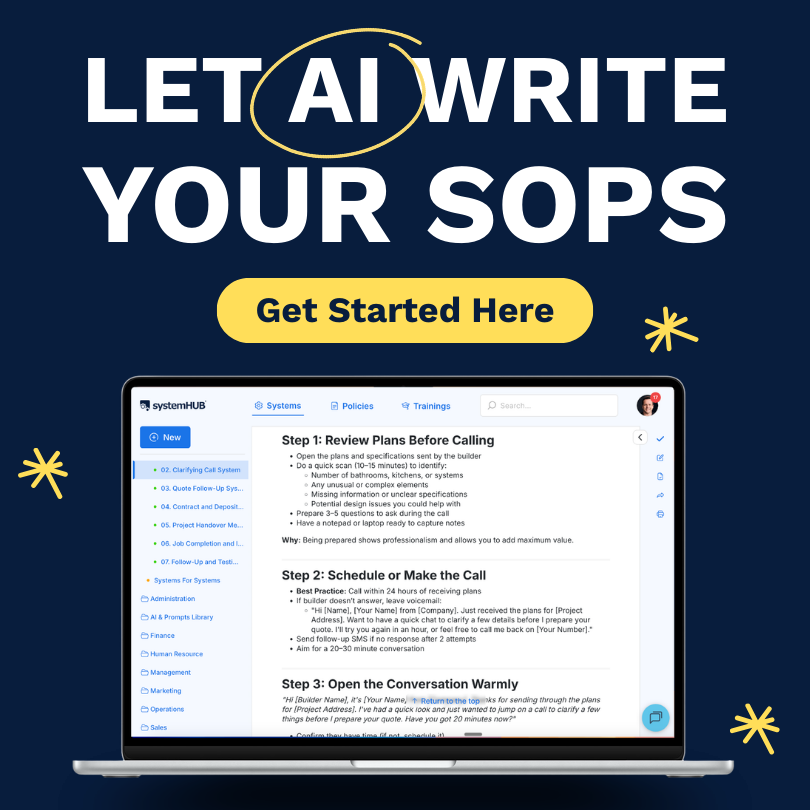
systemHUB gives you 100+ ready-made process templates across Sales, Operations, HR, Finance, and Marketing, so you can start building a business that runs without you, today.
Ready to get started?
systemHUB gives you 100+ ready-made SOP templates across Sales, Marketing, Operations, HR, and Finance. Customise them for your business and start building a business that runs without you.
Thank you for listening!
Thanks for joining us for this episode. Do you have any questions or feedback you'd like to share? We'd love to hear it! Let us know in the comments section below.
If you enjoy listening to this podcast, please share it on Facebook and leave an honest review on iTunes. We'd love to know what you think.
Remember, the next system we share could be just the one you’ve been looking for, so subscribe on iTunes so you can get the latest episodes as soon as they’re published.
About The Show
Business Processes Simplified
We interview industry experts and have them share their best small business systems and processes. This is the quickest, easiest and most efficient way to build a systems centered business.