What Are Business Systems? Examples and How to Build Them
A business system is a documented, repeatable way of getting a result in your business. It gets the same outcome whoever does the work. Here are real examples, the eight systems every business needs and how to build your first one this week.
By David Jenyns, founder of SYSTEMology and systemHUB · Updated November 2026
What separates a business that scales from one that stalls? One word: systems.
Not just any systems. Proven ones: tested under pressure, refined in real use and delivering consistent results no matter who runs them.
Think of McDonald’s, 1-800-GOT-JUNK or your local tradie who somehow takes holidays while the business keeps humming. Their success isn’t locked inside one person’s head. It lives inside their systems.
You don’t need to be a franchise giant to do the same. You just need a framework that works. This guide shows how real owners did it and how you can start today.
What are business systems? In 29 seconds.
What makes a business system “proven”?
Every business has processes. A process becomes a proven system when it passes three tests:
- It’s documented clearly enough that someone new can follow it.
- It’s been used successfully more than once.
- It produces measurable, consistent outcomes.
The simplest test: if your best employee left tomorrow, could someone else step in and deliver the same quality? If yes, you have a proven system. If no, you have tribal knowledge trapped in someone’s head.
The four stages of business systemisation
In SYSTEMology, businesses progress through four stages as they build proven systems.
Survival
The owner does everything. No systems exist. Performance is lumpy and unpredictable.
Stationary
Some loose processes exist but they’re trapped in people’s heads. The business feels stuck.
Scalable
Core systems are documented. The team follows them. Consistency improves dramatically.
Saleable
The business runs like clockwork. It operates without the owner and becomes a valuable, sellable asset.
Most business owners sit somewhere between Survival and Stationary. Proven systems are what move you to Scalable and beyond.
Why proven systems matter more than talent alone
Most business owners believe great hiring is the answer to growth. Great people help. But if your business depends on specific individuals to function, you don’t have a business. You have a job that employs other people. Proven systems change the equation.
They remove key person dependency
No single employee should be so critical that your business grinds to a halt when they get sick, take leave or resign. Proven systems capture what your best people know and share it with everyone. The system becomes the star, not the individual. (See key person risk.)
They create consistency across your team
Without systems every team member invents their own way of doing things. One handles customer enquiries brilliantly. Another fumbles the same process. Proven systems set “this is how we do things here” so every customer gets the same great experience.
They make your business scalable
You can’t scale chaos. If growing your team means weeks of training and supervision for each new hire, you’ll hit a ceiling fast. Proven systems let you systemise your business so new people deliver results from day one.
They increase the value of your business
Buyers and investors look for businesses that function without the owner. Your documented systems prove the business keeps performing after the sale. One enterprising businessman has built and sold his plumbing business twenty-one times, each time using proven systems to turn a failing operation into a valuable asset.
They give you back your freedom
This is the one that matters most. Proven systems free you from the daily grind. Instead of answering the same questions and being the bottleneck in every decision, you can work on the business instead of in it. Take a holiday without your phone buzzing every five minutes.

Not sure where your systems stand?
Take the free Systems Strength Test and see how your business compares. It takes less than 3 minutes.
Take the free testProven systems from real businesses
Theory is useful. Seeing proven systems in action is better. Here are four real owners who built systems that transformed their companies.
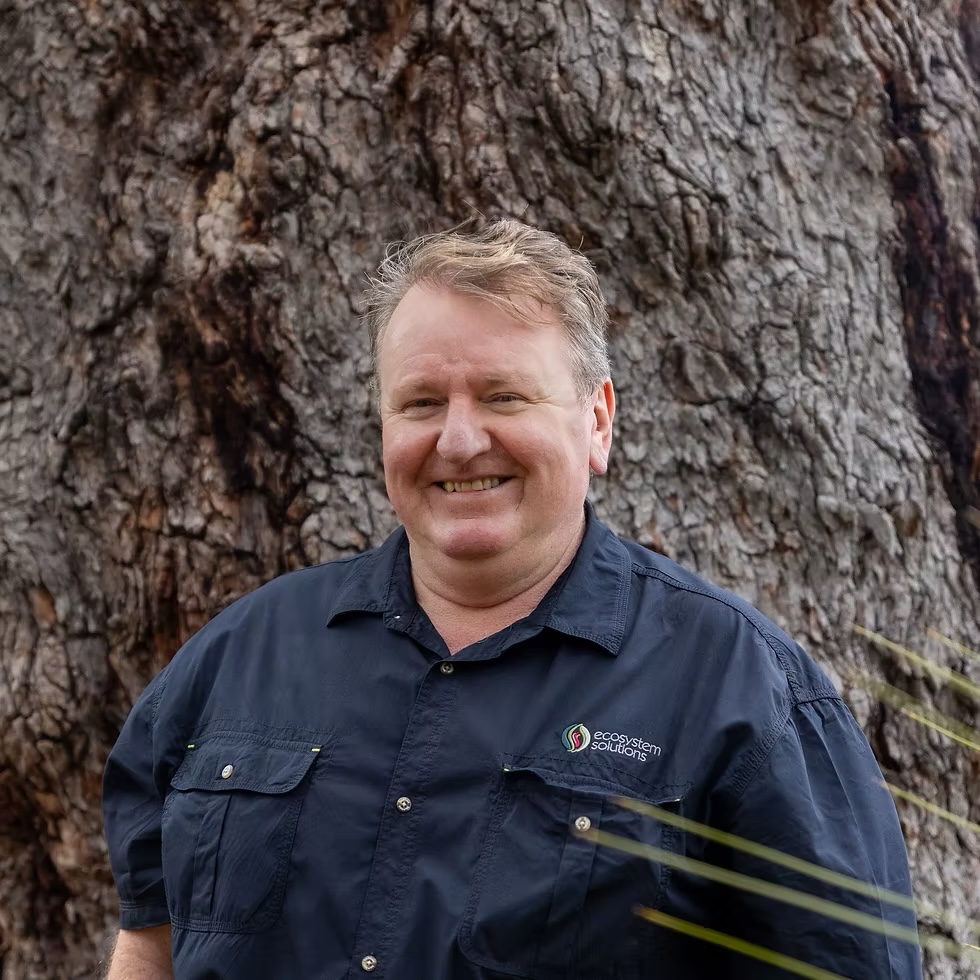
Ecosystem Solutions: from 100-hour weeks to peace of mind
Gary McMahon founded Ecosystem Solutions, an ecological consulting firm, in 2005. Demand grew fast and so did his workload: 100 to 110 hours a week. His health and family relationships suffered and every tool and training program he tried failed.
Then he found SYSTEMology and started with the Critical Client Flow (CCF) to map his core processes. He called it a “game changer” because it showed him and his team exactly where the bottlenecks were.
Profitability rose about 80 per cent. Gary took a three-week holiday with his family for the first time in his working life.
Asked what a systemised business means to him, Gary said: “Peace of mind. It’s like I’ve lost fifty kilos. And I’ve got a life.”
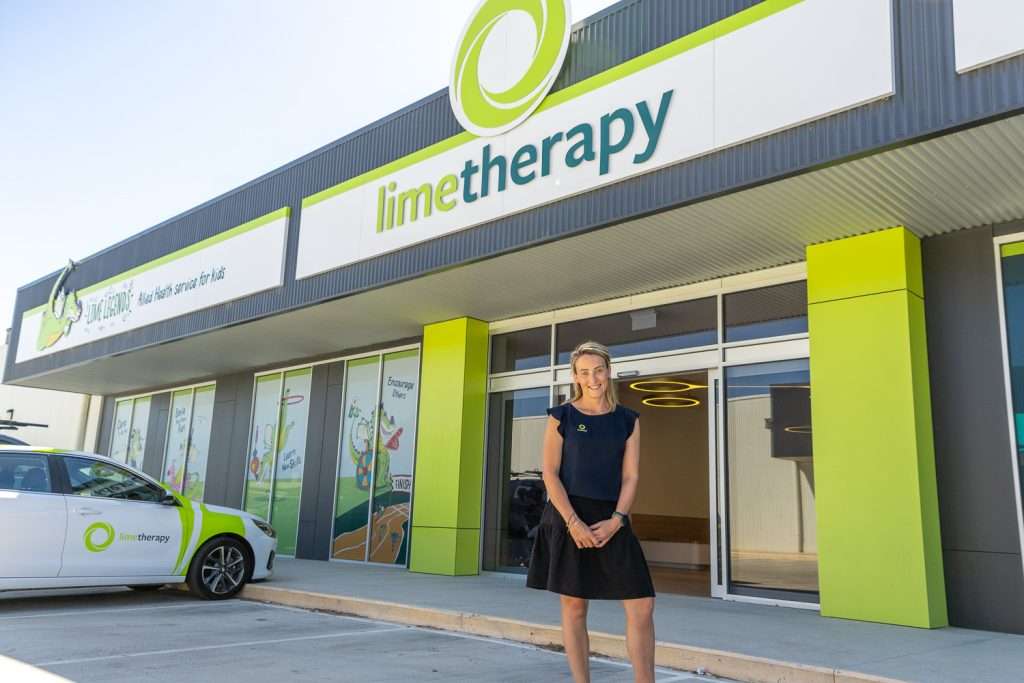
Lime Therapy: a business built to run without its founder
Renee Kelly built Lime Therapy into a 40-person allied health clinic across rural and remote Australia on vision and instinct. The business grew but the systems didn’t keep pace. Renee and her husband Matt had invested in policies. They sat in a folder, unused.
The breakthrough was a Systems Champion inside the team: Kaleb, a junior team member with no management title. He drove the documentation, starting with invoicing. SYSTEMology became part of how the whole team worked.
Invoicing time dropped tenfold. Renee and Matt stepped back from daily operations. When Lime Therapy was later acquired, the buyer didn’t need Renee tied in for years afterwards.
The Systems Champion didn’t need to be a manager to drive change. They needed clarity on what to document and permission to lead it.
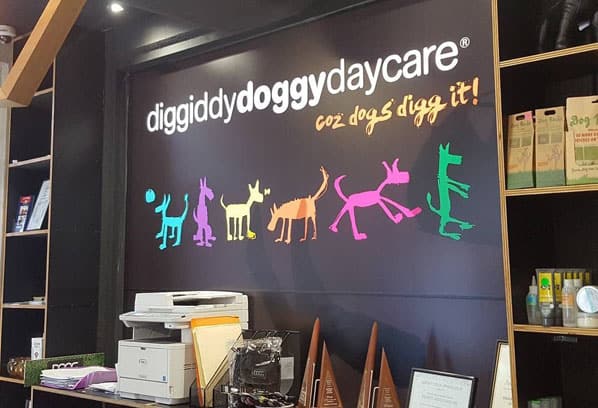
DiggiddyDoggyDaycare: systemised, then sold for a premium
Jeanette Farren ran DiggiddyDoggyDaycare, which had grown to serve over 2,000 dogs. After 13 years she was exhausted and wanted to exit but her systems were “all over the place,” so staff struggled to find or improve procedures.
After a SYSTEMology workshop she documented her Critical Client Flow and organised everything in systemHUB. She moved from working “in” the business to working “on” it, then stepped out of daily operations completely.
The business became so well systemised that it attracted corporate buyers. It sold to PETstock in 2019 for a high multiple of profit. The systems weren’t just operational tools. They were the asset that made the sale possible.
Planet 13: a franchise built on a simple binder
Before SYSTEMology existed, David Jenyns co-owned Planet 13, a rock ‘n’ roll-inspired clothing store. From day one the goal was a business designed to franchise.
The first store was the prototype. David and his partners created, tested and refined every process and wrote a manual covering every step of running a store. When it came time to sell the first franchise he wasn’t selling clothes. He was selling proven systems.
The systems weren’t in fancy software. They were printed in a simple binder: one manual for store team members and one for the store owner. It worked.
Proven business systems don’t require expensive technology. They require clarity, consistency and the discipline to document what works.
Want results like these?
systemHUB gives you the tools, templates and AI-powered features to document your first systems in one central place.
Start your free trial Read more customer stories8 types of business systems every company needs
Proven systems cover specific, recurring parts of how your business runs. If you’re not sure where to start, these are the eight most businesses build first.
Client qualification system
A documented process for deciding who you take on before you say yes: qualifying criteria, an intake process and a clear way to decline a bad-fit prospect.
Client onboarding system
The process that takes a new client from “signed” to “fully set up,” so every client gets the same consistent, professional start.
Lead generation and marketing system
A repeatable process for attracting new prospects, documented well enough that someone other than you can run it.
Customer service system
A defined process for how a complaint gets received, escalated, resolved and closed. Resolution quality doesn’t depend on who picks up the call.
Recruitment system
A documented, end-to-end hiring process with consistent criteria for what makes a good hire. You can delegate most of it.
Financial reporting system
A regular, owned process for reviewing the numbers that matter (revenue, cash position, margins) so problems surface before they become crises.
Service delivery system
The core process for delivering your product or service to a consistent standard, regardless of who’s doing the work.
Team knowledge and training system
A documented process for capturing what your best people know and making it accessible. The business doesn’t lose a beat when someone leaves.
Start with the one causing you the most pain right now. Our free SOP templates give you a head start on any of these. A business playbook shows how they fit together.
The SYSTEMology framework for building proven systems
Here is how to build them. The SYSTEMology framework has seven stages and each one builds on the last.
Watch: how the parts of a business connect and how to find the systems that matter most (5 minutes).
- Define your Critical Client Flow (CCF)You don’t need hundreds of systems to systemise your business. You need the 10 to 15 that matter most. The Critical Client Flow maps the journey from attracting a client through delivery to turning them into a repeat customer. Start here.
- Assign responsibilities with the DRTCThe knowledge of how to do things well already exists in your team. The Departments, Responsibilities & Team Chart (DRTC) maps who knows what and identifies your “knowledgeable workers,” the people who do each task best. It also takes you out of the equation wherever possible. If you’re the only person who can do a task, something is wrong with how the business is built.
- Extract knowledge from your best peopleThis is where SYSTEMology differs. Instead of asking your best people to write long, boring standard operating procedures, make it a two-person job. The knowledgeable worker does what they already do while a systems champion records and documents it. Nobody writes from scratch. There is no resistance.
- Organise your systems in one central locationScattered systems are useless systems. Keep everything in one central hub, not on desktops, in Dropbox folders or in someone’s email. Every team member can find any system in seconds. (Some owners call this their business brain.)
- Integrate systems into daily operationsBuilding systems is one thing. Getting your team to follow them is another. Shift the culture from “we have systems somewhere” to “this is how we do things here” by onboarding new people with systems from day one, assigning accountability and making systems part of everyday work.
- Scale across all departmentsOnce your core systems work, apply the same approach to every department: HR, finance, marketing, sales and management. The goal is complete business reliability. Your team handles operations and you focus on growth.
- Optimise for continuous improvementProven systems aren’t set-and-forget. Add feedback loops, performance tracking and ongoing refinement. Start simple and improve over time rather than aiming for perfect on day one.
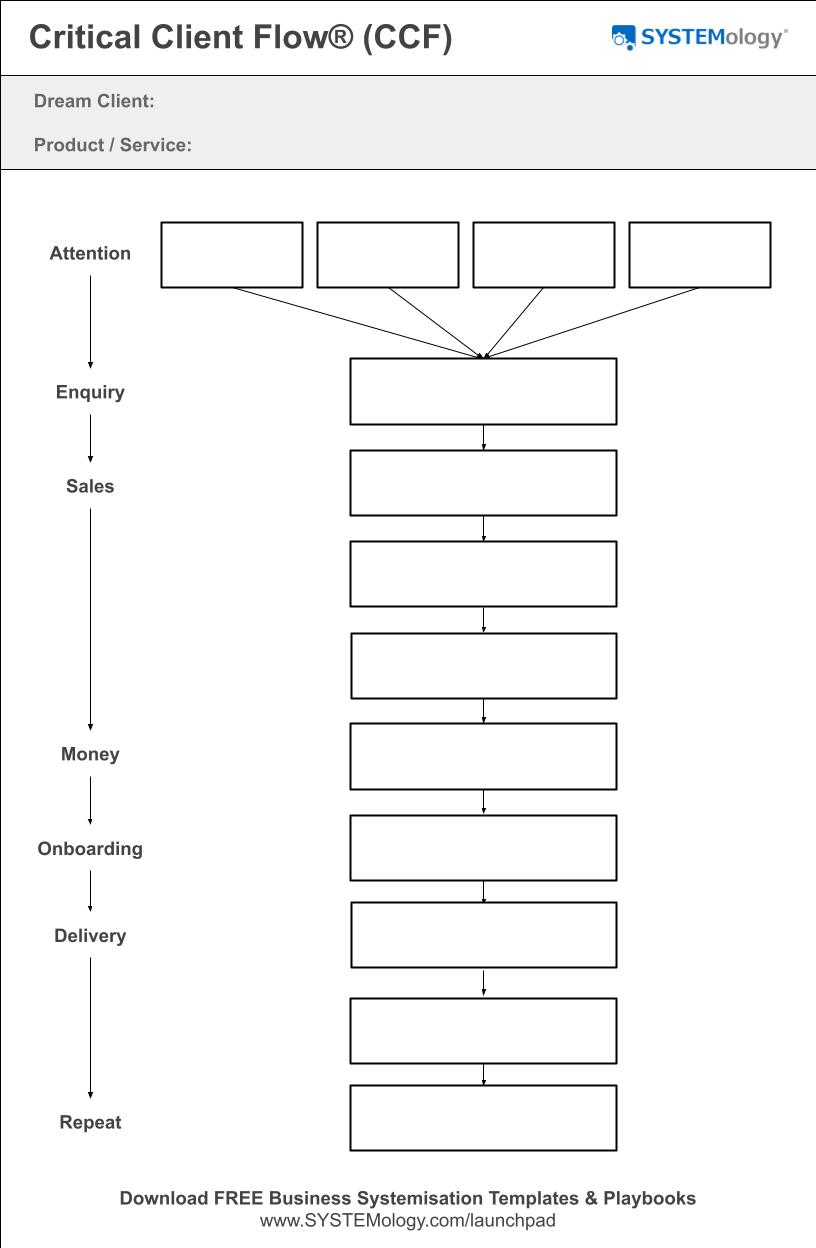
The Critical Client Flow in one page
Map it first and you will know exactly which systems to document. It takes about twenty minutes.
Get the free CCF templateHow to build your first proven system today
You don’t need months of planning. You can build your first proven system this week in three steps.
- Pick your Critical Client FlowDownload the CCF template and map the stages your clients go through: how they hear about you, the sales process, delivery and follow-up. Focus on ONE target client and ONE primary product. Two or three words per step is all you need. Then find the biggest bottleneck. That’s your first system to document.
- Record your best person doing itFind the person who does this task best. They’re your “knowledgeable worker.” Don’t ask them to write anything. Have them do the task while someone else records it, with a screen recording, a video or simple notes. It doesn’t need to be perfect. It just needs to capture the steps, the decisions and the little details that separate good from great.
- Document, test and refineTurn the recording into a clear, step-by-step written procedure. Keep it simple: plain language, no flowcharts, few screenshots. Then have someone who has never done the task follow it. Watch where they get stuck, note what’s unclear and refine.
Tip: assign a “systems champion” to drive this. Pick someone who loves organisation and detail. They don’t need to be expert in the task, just good at capturing and documenting. At Portavac, a 20-year-old named Kane grabbed a camera and went into the field to record how things were done. It produced outstanding results.
That’s it. You now have your first proven system, documented and tested by someone other than its creator. Repeat the process for each system in your Critical Client Flow and your business moves from owner-dependent to systems-driven.
Ready to build proven systems your team will actually follow?
systemHUB gives you the tools, templates and AI-powered features to document, organise and manage your business systems in one central place.
Start your free trial See plans and pricingCommon mistakes when building business systems
Building proven systems is straightforward but the same traps catch owners again and again.
Trying to systemise like McDonald’s on day one
McDonald’s is the result of six decades of development. Copying their level of sophistication before you have a baseline is like a couch potato attempting an elite training regimen. Start with your Critical Client Flow. Don’t split-test “would you like fries with that” before your core processes are documented.
Over-documenting with flowcharts and screenshots
Long numbered lists with roman numeral sub-lists, hundreds of bullets and flowcharts nobody can edit end up in a drawer, never to be read again. Keep documentation simple, clear and easy to update. A good system reads like a recipe, not a technical manual.
Leaving it to the owner, with no systems champion
Without someone to drive the process, systemisation stalls. Owners are busy and often the worst people to document systems because they skip steps that seem “obvious.” Pick someone organised, curious and willing to follow through. Getting your team to love systems starts with the right champion.
Stopping at “good enough”
Many businesses reach Scalable and think they’re done. But “good enough” is a trap. The biggest wins come when you move from “we have to follow process” to “this is how we do things here.” That cultural shift separates good businesses from great ones.
Frequently asked questions
What is a proven business system?
A documented, repeatable process that delivers consistent results regardless of who executes it. It has been tested in real conditions, refined on feedback and can be followed by any trained team member. The key difference from a rough process is reliability.
What are examples of proven business systems?
Client onboarding workflows, sales follow-up sequences, quality control checklists, employee training programs and service delivery processes. The SYSTEMology framework uses the Critical Client Flow (CCF) to identify the 10 to 15 most important systems in any business.
How do I know if my business systems are working?
Can someone other than the person who created the system follow it and get the same result? If yes, it works. Other signs are consistent quality across team members, faster onboarding, fewer "how do I do this?" questions and an owner who can step away without operations suffering.
What is the Critical Client Flow (CCF)?
The Critical Client Flow is a SYSTEMology tool that maps the stages your business goes through to deliver its core product or service, from attracting clients through sales, delivery and follow-up. Unlike a typical client journey map it also includes the internal requirements at each stage. It takes about twenty minutes and identifies your 10 to 15 most critical systems.
How long does it take to systemise a business?
Most businesses can document their core Critical Client Flow systems within 90 days using the SYSTEMology approach. The full journey from Survival to Saleable often takes 12 to 18 months. Start with the most critical systems and build momentum from there.
Do I need expensive software to build business systems?
No. David Jenyns built his first franchise (Planet 13) with systems in a simple printed binder. What matters is a central, accessible place where your team can find and follow them. Platforms like systemHUB make it easier to organise and maintain systems at scale. You can start with whatever tools you have.
What is a systems champion?
A team member who drives documenting, organising and maintaining your systems. They don't need to be the most senior or experienced person, just organised, detail-oriented and proactive. At Portavac a 20-year-old named Kane took the role. At Lime Therapy it was Kaleb, a junior team member with no management title.
Can proven systems work for small businesses?
Yes. Small businesses benefit most because they have the least margin for error. The SYSTEMology framework was designed for businesses with 10 to 50 employees, whether you're a tradie, a professional services firm, a retail operation or an e-commerce business.
Your business already has proven systems
They’re just trapped in the heads of your best people. It’s time to get them out.
The businesses that scale and give their owners true freedom all share documented, repeatable systems that work without the founder standing over everyone’s shoulder. Whether you start with a binder or a platform like systemHUB, start. Pick one system. Document it. Test it. Then do the next one.
Keep reading
Or browse all guides, the blog, the podcast and the free AI tools.
Start building your first proven system
Document how your business really runs in one central place your team and your AI can use.
14-day free trial. No credit card required.