What if you could plan your next business event without starting from scratch every single time?
If you’ve ever organised a business event, you know the feeling. Three weeks out, you’re scrambling. The catering order is wrong. The projector hasn’t been tested. Half the team doesn’t know what they’re supposed to be doing. And you’re stuck in the middle of it all, holding everything together with sheer willpower.
The event might go well in the end. But the process of getting there? Exhausting. And the worst part: six months later, when you need to run another event, you start from zero. All those hard-won lessons, gone.
Here’s the truth most business owners miss. Event planning is a repeatable process. And like every repeatable process in your business, it can be documented, delegated, and improved over time. That’s the difference between an event that drains you and one that runs like clockwork.
In this guide, I’ll walk you through a complete event planning checklist built on the same principles I teach in SYSTEMology. You’ll get practical timelines, phase-by-phase tasks, and a framework for turning your checklist into a reusable system your team can own.
In this guide:
What is an event planning checklist (and why your business needs one)?
An event planning checklist is a structured, step-by-step document that covers every phase of planning, executing, and following up on a business event. It’s not a scribbled list of to-dos on a sticky note. It’s a documented process that your team can follow, whether or not you’re in the room.
Think of it this way. A to-do list tells you what to do. An event planning checklist tells you what to do, when to do it, who’s responsible, and how to verify it’s done. That’s a system.
An event planning checklist is a reusable system, not a one-time to-do list.
When you document your event planning process once and store it centrally, every future event starts at 80% done. Your team knows the steps. Vendors know the drill. And you’re free to focus on the strategic parts instead of chasing logistics.
If you’ve run even one business event (a client workshop, a team retreat, a product launch, a networking evening) you already have the raw material. The knowledge of what worked and what didn’t is sitting in your team’s heads. The challenge is getting it out and into a format that anyone can follow.
That’s exactly what creating everyday procedures is all about. Event planning isn’t some exotic, one-off activity. For most growing businesses, it’s a regular part of operations. And anything you do regularly deserves a documented system.
Why most business events go off the rails
I’ve worked with thousands of business owners on systemising their operations. And the same five problems come up every time someone mentions event planning. See if any of these sound familiar.
1. Everything lives in the owner’s head
You ran the last event. You know the venue contact, the catering preferences, the AV setup. But none of it is written down. So when you try to hand it off, your team has to start from scratch or constantly interrupt you with questions.
2. No timeline or milestone tracking
Without a phased timeline, tasks pile up in the final week. Suddenly you’re booking a photographer, finalising the catering menu, and writing the run sheet all at once. The stress is avoidable if you spread the work across a proper schedule.
3. Vendor and logistics details are scattered
The catering contract is in one email thread. The venue booking is in another. The AV requirements are in a text message you can’t find. When details live in different places, things get missed.
4. The team doesn’t know who owns what
Everyone assumes someone else is handling the name tags. Or the registration desk. Or the welcome drinks. Without clear ownership for every task, balls get dropped. This is one of the most common reasons business owners struggle to delegate effectively.
5. Post-event learnings never get captured
The event finishes. Everyone’s tired. You say “we should do a debrief” but it never happens. Six months later, you repeat the same mistakes. The most valuable part of any event, the lessons learned, evaporates because nobody documents them.
A story from the trenches: I freely admit that I’m a recovering micromanager. I was preparing a workshop for some clients and decided to check the room we’d booked. When I arrived, I panicked that the space was too small for the number of people we were expecting.
It was a Friday. The event was the following Wednesday. I went into full-on stress mode, calling team members, sending emails and text messages. “Things aren’t right!” “It’s going to be too crowded.”
Monday morning, I got an email from the team member managing the event. Before I’d even sent my panicky messages, they’d already spotted the issue and arranged a bigger room. Everything was already taken care of. The lesson? When you have a system and a capable person running it, the best thing you can do is get out of the way.
Ready to start documenting your business processes?
Grab our free SOP templates and start turning your team’s knowledge into systems anyone can follow.
The complete event planning checklist (5 phases)
The key to a good event planning checklist is breaking the work into phases with clear timelines. This prevents the last-minute scramble and makes it easy to assign ownership for each phase. Here’s the complete checklist, from first planning session to post-event follow-up.
Phase 1: Foundation (8-12 weeks out)
This is where you lay the groundwork. Get these decisions right early and everything else falls into place.
- Define the event purpose, goals, and success metrics (what does a successful event look like?)
- Set the budget and get financial approval
- Choose the date, time, and format (in-person, virtual, or hybrid)
- Research and book the venue (confirm capacity, AV, parking, accessibility)
- Identify your target audience and estimate headcount
- Assign the event owner and support team, with clear roles
- Create a master timeline in your project management tool
- Begin outreach for speakers, presenters, or special guests
- Book key vendors (catering, AV, photographer, entertainment)
- Set up a registration page or invitation system
Tip: The most important task in Phase 1 is assigning a clear event owner. This is the person who drives the checklist, chases deadlines, and makes day-to-day decisions. In SYSTEMology terms, this is your “knower” for the event planning process. They don’t need to do everything. They need to own the system.
Phase 2: Build-out (4-8 weeks out)
Now you’re building the detail. The big decisions are made. This phase is about turning plans into confirmed arrangements.
- Finalise the agenda, session times, and speaker lineup
- Design and send invitations (or open registration)
- Confirm all vendor contracts, deposits, and delivery dates
- Plan event collateral: signage, name tags, printed materials, branded items
- Set up registration tracking and RSVP management
- Brief the internal team on their roles and responsibilities
- Test all technology (presentation setup, microphones, live streaming, Wi-Fi)
- Arrange accommodation or transport for interstate or international guests
- Draft the day-of run sheet with specific times and responsible people
- Prepare promotional content (social media posts, email sequences, reminders)
Phase 3: Final preparation (1-2 weeks out)
This is the “tighten everything up” phase. If you’ve followed the first two phases, this should feel calm, not chaotic.
- Confirm final headcount with the venue and catering
- Send reminder emails to all attendees with logistics and parking details
- Print all materials and prepare event kits or welcome packs
- Walk through the complete event schedule with your team
- Prepare backup plans for common issues (tech failures, weather, speaker cancellations, low turnout)
- Finalise seating arrangements, room layout, and signage placement
- Confirm arrival times for vendors, speakers, and setup crew
- Charge all devices, check batteries, and prepare spares
Phase 4: Day-of execution
The event itself. If you’ve done the work in Phases 1 through 3, today should run smoothly. Your team knows their roles. Your run sheet keeps everyone on track.
- Arrive early for setup and a full venue walkthrough
- Run a pre-event briefing with the team (10 minutes, standing up, run sheet in hand)
- Set up registration desk, signage, and welcome area
- Test AV, microphones, and presentation slides one final time
- Welcome and register attendees as they arrive
- Monitor the schedule and manage transitions between sessions
- Capture photos and video throughout the event
- Handle any issues calmly (this is why you have backup plans)
- Manage speakers: introductions, time keeping, Q&A facilitation
- Oversee pack-down, venue handover, and equipment return
Tip: Give every team member a printed copy of the day-of run sheet. It sounds old-fashioned, but when the Wi-Fi drops or phones die, paper doesn’t fail. Include specific times, task owners, and a contact list for the day.
Phase 5: Post-event follow-up (within 1 week)
This is the phase most businesses skip entirely. And it’s the one that makes the biggest difference to your next event.
- Send thank-you emails to attendees, speakers, and sponsors within 48 hours
- Share recordings, slides, photos, or resources with attendees
- Collect feedback via a short survey (5 questions maximum)
- Reconcile the event budget and finalise all vendor payments
- Run a team debrief: what worked, what didn’t, what to change next time
- Update the master event planning checklist with improvements
- Archive all materials (contracts, designs, run sheets, vendor contacts) in one central location
- Identify follow-up opportunities (leads, partnerships, content to repurpose)
Real example: Systemising a quarterly client workshop
One business owner I worked with ran quarterly workshops for clients. Every quarter, the same chaos: last-minute venue changes, forgotten catering orders, missing name tags. The event always came together, but it consumed the owner’s entire week beforehand.
We helped them extract the process from the team member who’d been running the events. They recorded the entire planning process (exactly the extraction method I teach in SYSTEMology), turned it into a phased checklist, and stored it in their systems management tool.
The result? The next quarter, a different team member ran the workshop. It went smoothly. The owner attended as a guest. No stress, no scramble, no frantic texts on a Friday night.
The key insight: They didn’t need to plan the event better. They needed to document the repeatable process so it didn’t depend on one person.
How to turn your event planning checklist into a reusable system
A checklist is useful. A system is powerful. The difference? A checklist tells you what to do this time. A system ensures it gets done the same way, by anyone, every time. Here’s how to make the leap.
1
Document it once
Extract the process from the person who ran the last event
2
Store it centrally
Put it in a systems tool, not scattered emails and docs
3
Assign and improve
Give it an owner and update it after every event
1. Extract the process from the person who knows it best
In SYSTEMology, we call this the “extraction” method. You don’t sit down and write the whole system from scratch. Instead, you record the person who already runs the events (the “knower”) walking through their process step by step.
This could be as simple as a screen recording, a video walkthrough, or a structured interview. The goal is to capture what’s in their head so it’s no longer locked inside one person. Once you’ve done this, a systems champion (or even an AI tool) can turn the recording into a written, step-by-step procedure.
2. Store it in one central place
This is where most event planning checklists go to die. They live in a Google Doc that nobody can find. Or in a folder on someone’s desktop. Or in an email attachment from last year.
Your event planning system needs to live in a central, searchable location that your whole team can access. That’s the purpose of a systems management tool. When your team needs to plan the next event, they go to one place, find the checklist, and start working through it.
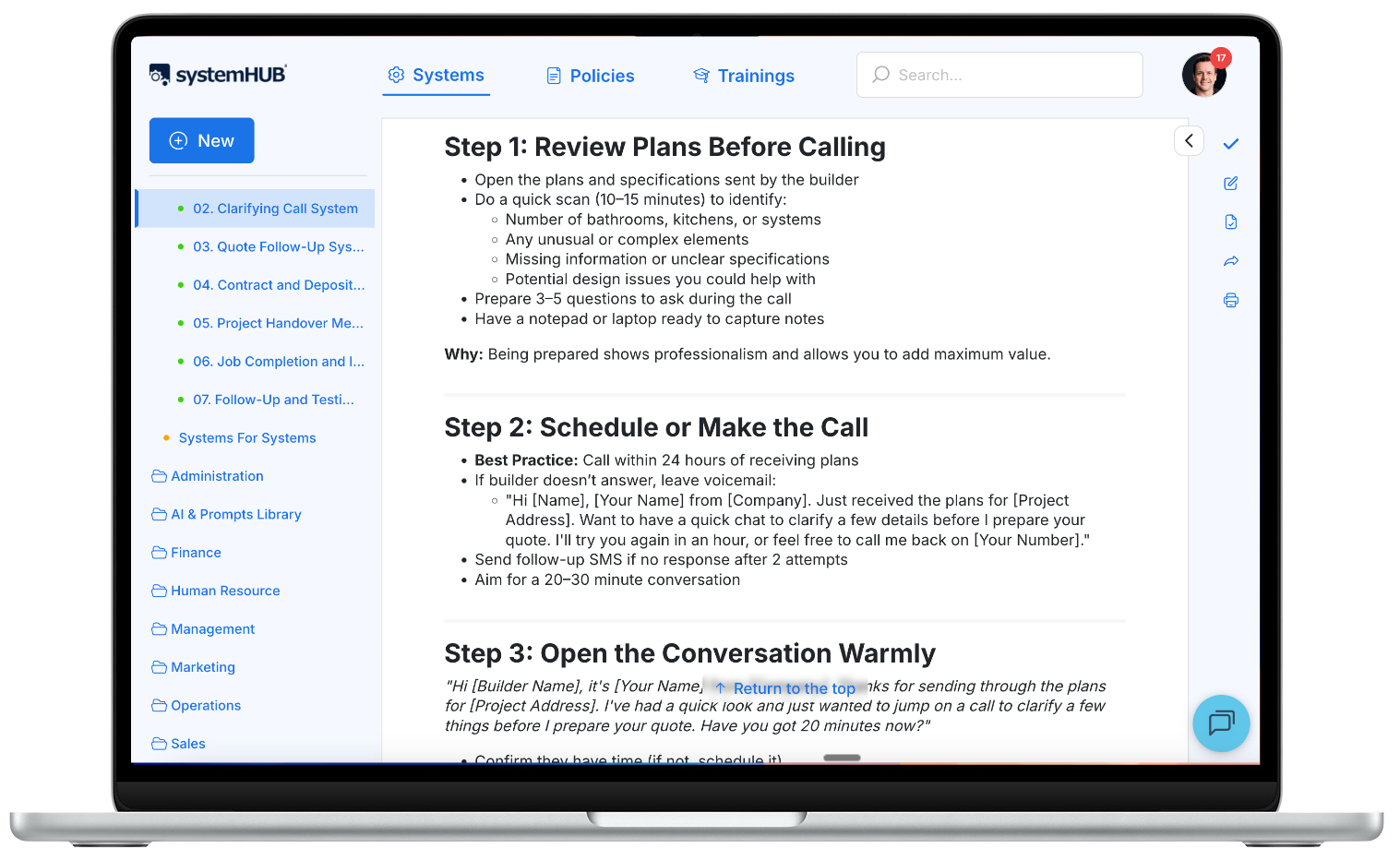
A central systems hub means your event planning checklist is always one click away, not buried in someone’s inbox.
3. Assign a systems champion and improve after every event
A system without an owner is a system that decays. Assign someone as the “systems champion” for your event planning process. Their job isn’t to run every event. It’s to make sure the checklist stays current.
After every event, they run the debrief, capture what changed, and update the master checklist. Over time, your event planning process gets sharper, faster, and more reliable. That’s the power of process management in action.
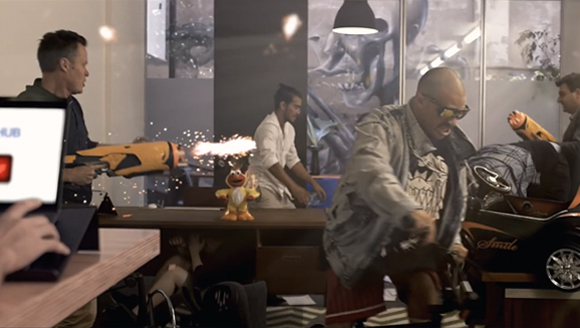
The old way: everything runs through the owner.
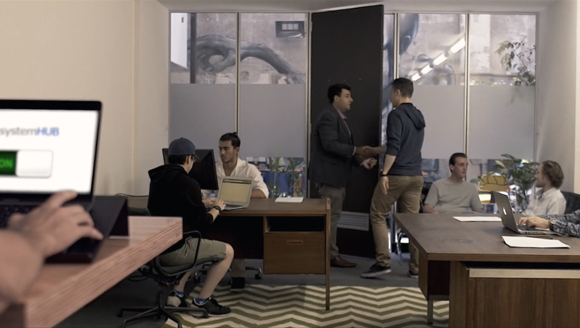
The SYSTEMology way: your team runs the systems, you run the business.
Stop reinventing the wheel for every business event
systemHUB gives you a central home for every checklist, process, and SOP your business needs. Store your event planning system alongside all your other standard operating procedures.
Common mistakes with event planning checklists
Even with a good checklist, there are traps that catch business owners out. Here are the five I see most often.
Making the checklist too detailed. A 200-item checklist overwhelms everyone. Focus on the critical steps and leave room for professional judgement. If a task needs detailed instructions, link to a separate procedure rather than cramming it all into the checklist.
Not assigning ownership to each task. “The team” is not an owner. Every task needs a specific name next to it. When everyone is responsible, nobody is responsible.
Skipping the post-event debrief. This is the single most valuable step in the entire event planning process. If you skip it, you’ll repeat the same mistakes and never improve. Block 30 minutes in the calendar within a week of the event. Make it non-negotiable.
Keeping the checklist in someone’s head. If your event planning process only exists in one person’s memory, you don’t have a system. You have a single point of failure. Document it, store it centrally, and make it accessible to your entire team.
Never updating the checklist. A checklist from three years ago isn’t a system. It’s a relic. Your event planning checklist should be a living document that improves after every event. That’s how repeatable processes get better over time.
Frequently asked questions
How far in advance should I start planning a business event?
For most business events (workshops, client days, team retreats, product launches), start 8 to 12 weeks out. This gives you enough time to book a venue, confirm speakers, and promote the event without rushing. Larger conferences or multi-day events may need 6 months or more. The more documented your event planning checklist is, the shorter the lead time you’ll need for future events.
What’s the single most important thing on an event planning checklist?
Assigning a clear event owner. Everything else flows from this. When one person owns the process, they drive the timeline, chase the details, and make the decisions. Without a clear owner, tasks fall through the cracks and the business owner inevitably gets dragged back into the weeds.
Who should own the event planning process in my business?
Ideally, the person who has the most experience running your events. In SYSTEMology, we call them the “knower.” They don’t have to do everything, but they should own the checklist and be responsible for keeping it updated. Over time, a systems champion can take ownership of maintaining and improving the process, even if they weren’t the original knower.
How do I delegate event planning without losing control?
The answer is in the system, not the supervision. When you have a documented event planning checklist with clear phases, milestones, and ownership, you don’t need to hover. You check in at key milestones instead of micromanaging every detail. The checklist becomes the accountability layer. You can read more about this approach in our guide to how to delegate.
Can I use the same checklist for virtual or hybrid events?
Absolutely. The five-phase structure works for any format. For virtual events, you’ll swap venue logistics for platform setup (Zoom, Teams, webinar software) and replace physical signage with digital branding. For hybrid events, you’ll run both streams in parallel. The beauty of a documented system is that you can create variations for different event types while keeping the core structure consistent.
How do I improve my event planning checklist over time?
Run a post-event debrief within one week of every event. Ask three questions: What went well? What didn’t? What would we change next time? Then update the master checklist immediately. This is the “optimise” stage in SYSTEMology. Each event makes the system a little bit better. After three or four events, your checklist will be remarkably tight. If you’re not sure where your business stands on systemisation overall, try the free Systems Strength Test.
What tools should I use to manage event planning?
You need two tools working together. A systems management tool (like systemHUB) to store your documented event planning checklist, so everyone knows how to do the work. And a project management tool (like Asana, Monday, or Trello) to assign tasks, set deadlines, and track progress for each specific event. The system tells you how. The PM tool tells you who and when. Together, they create real accountability.
Plan once, systemise forever.
Every business event you run is an opportunity to build a better system. Document the process. Store it centrally. Assign an owner. Improve it after every event. Before long, your team will be running events without you needing to be in the room.
If you’re ready to stop reinventing the wheel and start building reusable systems for your business, explore systemHUB and see how it works.